Córdoba
Córdoba
Our travel guide, discover the city 100%
Córdoba not only captivates with its history and monuments, but also with its cuisine. Cordoban gastronomy is the result of centuries of Roman, Arab, and Christian influences, and today it can be enjoyed in traditional taverns, charming patios, and modern restaurants that reinterpret classic dishes.
The Jewish Quarter (La Judería): next to the Mosque-Cathedral you’ll find traditional taverns full of atmosphere, perfect for tasting local specialties.
The Center and Plaza de las Tendillas: an area with tapas bars and restaurants for all tastes, from the most classic to modern proposals.
The Guadalquivir Riverside: with terraces and venues ideal for dining outdoors by the river.
Vial Norte and the modern district: offering a more contemporary selection of gastrobars and signature restaurants.
Salmorejo cordobés: the star of local cuisine, a cold cream made with tomato, bread, olive oil, garlic, and topped with diced ham.
Flamenquín: rolled meat with ham, breaded and fried, one of the city’s most typical dishes.
Oxtail stew (rabo de toro): a traditional dish with tender, flavorful meat.
Eggplants with cane honey: fried and crispy, a classic Andalusian recipe.
Convent pastries: such as flores cordobesas or pestiños, perfect to enjoy with a coffee.
Montilla-Moriles wines: a denomination of origin from the province, perfect for pairing with any dish.
Eating in Córdoba is an experience that combines tradition, authenticity, and hospitality. The best way is to wander its streets, step into a tavern with an Andalusian patio, and enjoy local cuisine in a unique atmosphere.
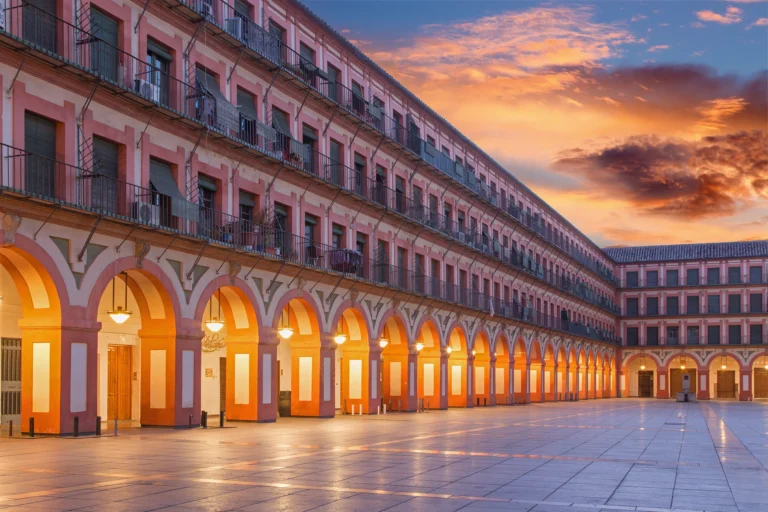
Córdoba is one of the most beautiful and monumental cities in Spain, located on the banks of the Guadalquivir River and at the foot of the Sierra Morena. Its history is millenary: it was the capital of Roman Hispania and, later, of the Caliphate of Córdoba, becoming one of the most important and cultured cities in the world during the Middle Ages.
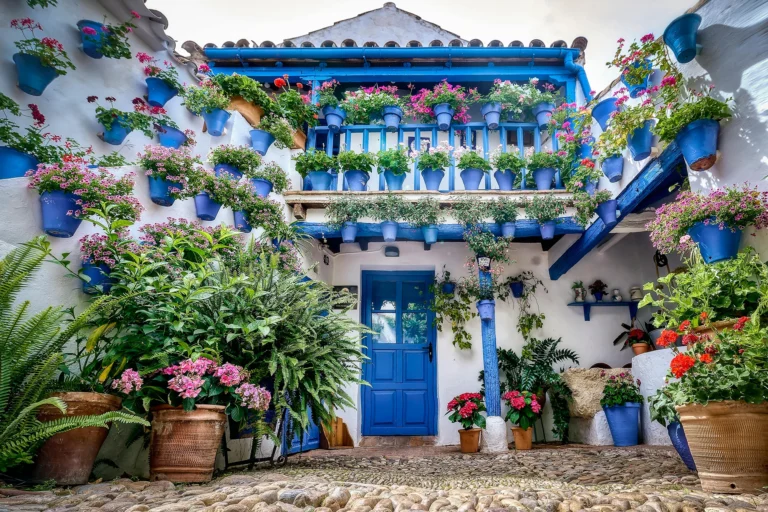
Today, Córdoba preserves that historical legacy in an old town declared a UNESCO World Heritage Site. Walking through its narrow streets, filled with flowered patios, charming squares, and corners with Andalusian character, is an unforgettable experience.
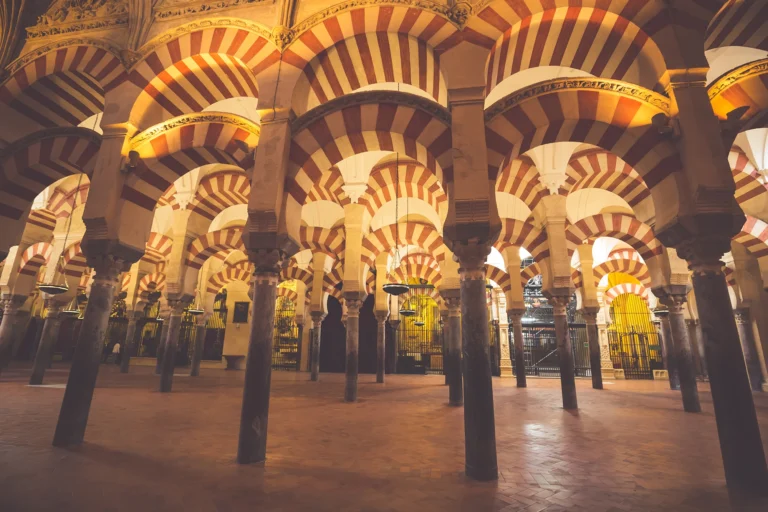
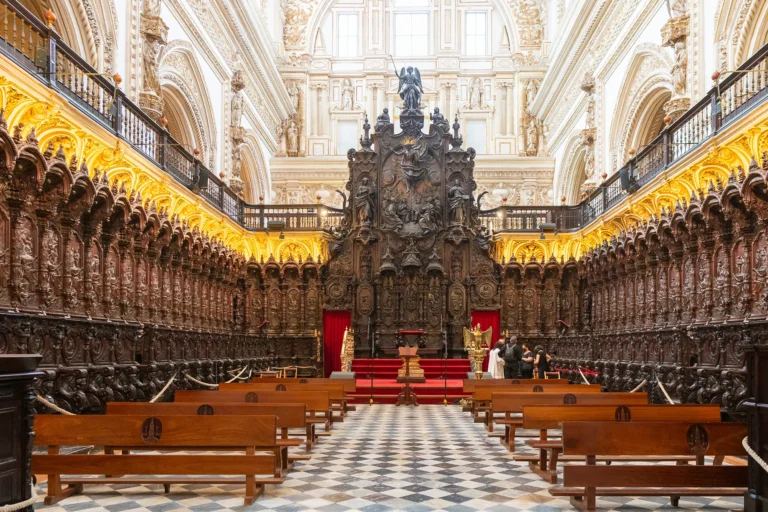
The Mosque-Cathedral: the city’s great symbol, a unique architectural jewel in the world where Islamic and Christian art coexist.
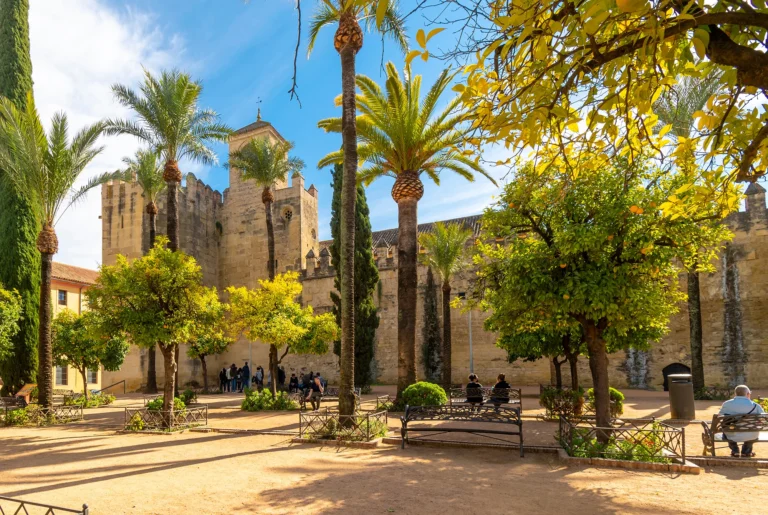
The Alcázar of the Christian Monarchs: a fortress with beautiful gardens and spectacular views of the city.
The Roman Bridge and the Calahorra Tower: an essential walk along the Guadalquivir, especially at sunset.
The Jewish Quarter (La Judería): a historic neighborhood of white alleyways, synagogues, and Cordoban patios filled with flowers.
The Patios of Córdoba: declared Intangible Cultural Heritage of Humanity, they can be visited especially in May during the famous Festival of the Patios.
Medina Azahara: just a few kilometers from the city, the ruins of the palatial city built by Abd al-Rahman III are a direct journey to the splendor of the Caliphate.
Córdoba is a city that combines history, art, gastronomy, and tradition. From its monuments to its typical cuisine —with dishes such as salmorejo or flamenquín—, it offers a unique experience for those who visit.
In Córdoba, it is difficult to park inside the Jewish Quarter, so it is recommended to use nearby parking lots.
Mezquita Parking: very close to the Mosque-Cathedral.
La Ribera Parking: just a few meters from the Roman Bridge and the historic center.
Avenida de los Custodios Parking: near the Puerta de Almodóvar and the Jewish Quarter.