OPTIMUS TOURS

Seville

TRAVEL GUIDE

Seville

Our travel guide, discover the city 100%

Seville is a true gastronomic paradise. Eating here is not just a necessity, it is a whole social and cultural experience. The tradition of going out for tapas is part of Sevillian life, and visiting its bars and taverns is a unique way to get to know the essence of the city.

In Seville, you will find everything from historic taverns with centuries of tradition to modern restaurants that reinterpret Andalusian cuisine.

Recommended areas to eat in Seville

  • Santa Cruz Quarter: ideal for enjoying charming bars in the heart of the historic center.
  • Triana: across the river, this neighborhood is famous for its authentic atmosphere, tapas bars, and flamenco tradition.
  • El Arenal: next to the Maestranza bullring, it combines classic taverns with more modern venues.
  • Alameda de Hércules: a youthful and alternative area, with creative tapas bars and international restaurants.
  • The Center: around the Cathedral and the Giralda, you’ll find everything from traditional taverns to avant-garde gastronomic spaces.

What to try in Seville

  • Classic tapas: spinach with chickpeas, oxtail stew, montaditos, homemade croquettes.
  • Typical dishes: salmorejo, marinated dogfish, huevos a la flamenca, fried fish (pescaíto frito).
  • Desserts: torrijas, pestiños, or Sevillian yemas.
  • Wines and drinks: a glass of fino wine or manzanilla is a must, along with the typical ice-cold beer.

In Seville, the best thing to do is go with the flow: step into a bar, order a tapa, chat with the locals, and continue your gastronomic journey through the city.

Seville is one of the most vibrant and monumental cities in Spain. Located on the banks of the Guadalquivir River, it is a place where history, art, and tradition blend with a joyful and welcoming atmosphere. It was an important port during the era of the discovery of America, and today it preserves a unique monumental heritage, along with a cultural and festive life that enchants everyone who visits.

Walking through Seville means discovering its Arab past, its Renaissance and Baroque splendor, and the essence of flamenco and Andalusian traditions that beat in every corner.

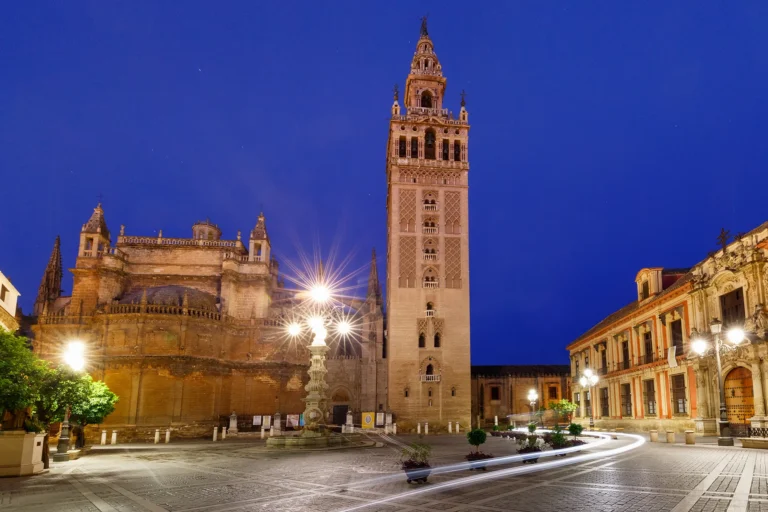
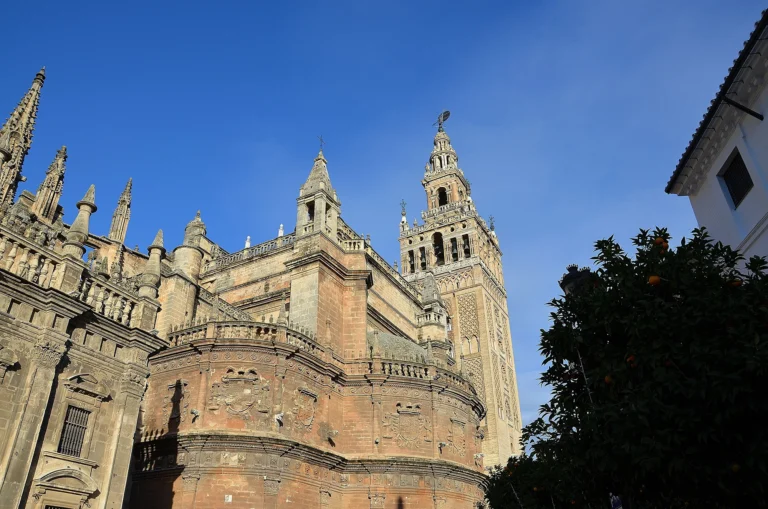
The Cathedral and the Giralda: the largest Gothic cathedral in the world, with the emblematic Giralda tower as the symbol of the city.
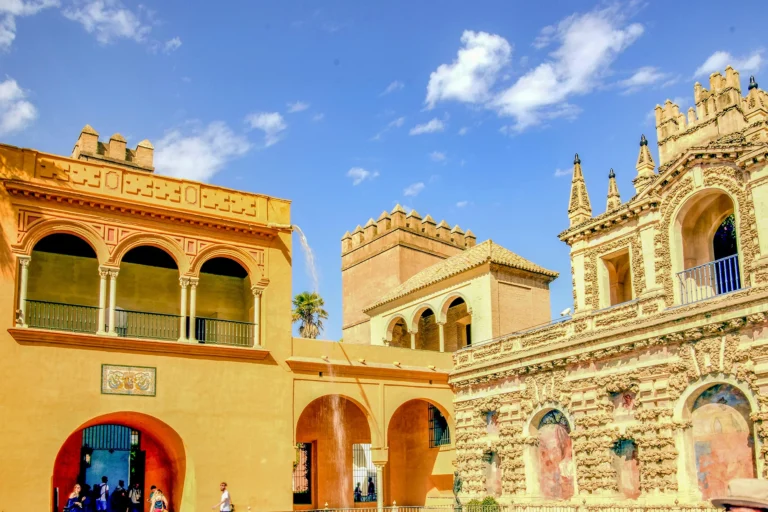
The Royal Alcázar: a palace complex of Muslim origin with stunning halls and gardens, declared a World Heritage Site.
Santa Cruz Quarter: the old Jewish quarter, full of narrow streets, orange tree-filled squares, and a special charm.
Plaza de España and María Luisa Park: one of the most beautiful corners of the city, with monumental architecture and landscaped surroundings.
The Torre del Oro: a defensive tower on the banks of the Guadalquivir that today houses a naval museum.
Las Setas de Sevilla (Metropol Parasol): a modern structure that offers a unique panoramic view of the historic center.
The Guadalquivir River and Triana: crossing the bridge to the Triana neighborhood means discovering the cradle of flamenco, ceramics, and authentic Sevillian life.

In addition, Seville is known for its Holy Week and the April Fair, two celebrations that showcase the passion and joy of its people. In gastronomy, tapas, fried fish (pescaíto frito), or a refreshing Andalusian gazpacho on hot summer days are a must.

Seville is not just visited, it is lived: every corner invites you to enjoy its history, its art, and its unmistakable Andalusian spirit.

The historic center of Seville is mostly pedestrian, so the best option is to leave your car in nearby underground parking lots.

Cano y Cueto Parking: next to the Murillo Gardens, very close to the Cathedral and the Santa Cruz Quarter.
Paseo Colón Parking: in front of the Torre del Oro, convenient for visiting the monumental area.
Plaza de Armas Parking: next to the bus station, just a 10-minute walk from the Cathedral.

Optimus Tours
Privacy Overview

This website uses cookies so that we can provide you with the best user experience possible. Cookie information is stored in your browser and performs functions such as recognising you when you return to our website and helping our team to understand which sections of the website you find most interesting and useful.